
World of Modular Europe 2026: Three Themes and Buyer Relationships
Slug: world-of-modular-europe-2026-takeaways | Author: Welland Team
──────────────────────────────────────────────
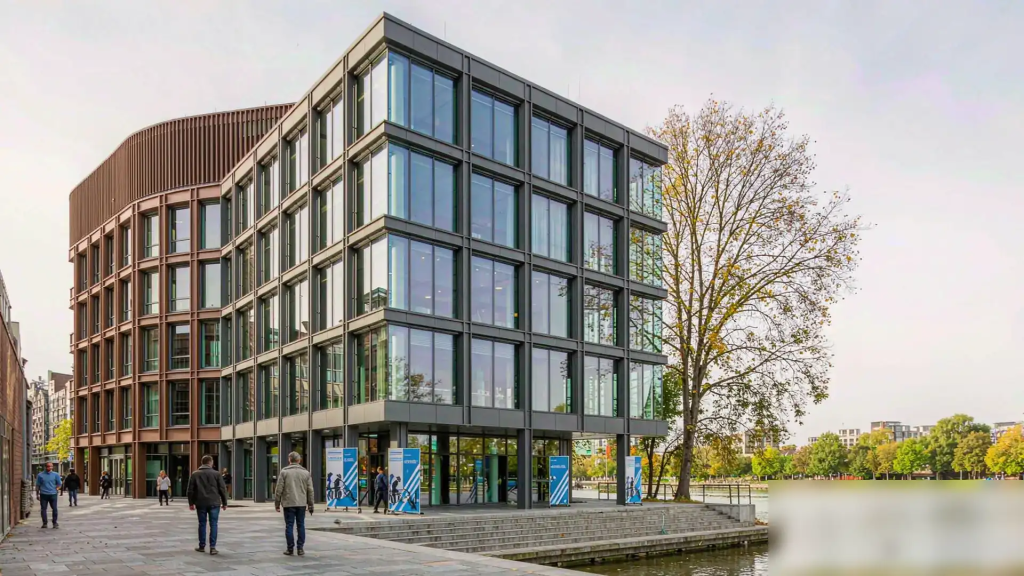
The World of Modular Europe summit, hosted by the Modular Building Institute (MBI), opens today in Amsterdam (October 12–14, Mövenpick Hotel Amsterdam). For overseas buyers of prefabricated modular housing, this is the only industry-level conference in Europe this fall to systematically address factory-built construction—and the 2026 agenda points to three shifts that will shape purchasing decisions well before next year’s orders are placed.
Caption: MBI World of Modular Europe 2026 takes place October 12–14 at the Mövenpick Hotel in central Amsterdam.
1. Scale: Industrializing Modular Capacity

Caption: Theme 1 · Scale: How European factories are industrializing modular capacity.
The first theme is capacity. Demand for volumetric modules and panelized systems in Europe continues to outpace local factory output, and several sessions this year focus on how manufacturers are industrializing production—from automated roll-forming of aluminum-zinc coated light-gauge steel framing to replicable hotel and residential modules. The practical takeaway for buyers is simple: production slots at established factories are being booked out months in advance. If you have a project planned for 2027, supplier vetting and slot reservation should be on your Q4 agenda this year—not left until next spring.
2. Standards Alignment: Cross-Border Compliance Pathways

Caption: Theme 2 · Standards alignment: How to demonstrate compliance consistently across jurisdictions.
The second theme is regulatory convergence. Speakers from Housing Europe and national agencies are discussing how offsite construction can demonstrate compliance consistently across jurisdictions—CE marking under the EU Construction Products Regulation framework, EN 1090 execution classes for steel structures, and fire test performance under EN 13501. Buyers should expect to be asked for a complete, verifiable documentation package rather than a summary sheet. Choosing a manufacturer already exporting under these frameworks eliminates the single biggest cause of project delays at the source.
3. EU Circular Economy Rules Reach Building Materials
Caption: Theme 3 · Circular economy: Material data and traceability are coming to buyer files.
The third thread is circularity. The EU’s Digital Product Passport (DPP) work is moving toward construction products, which means material declarations, recyclability information, and supply chain traceability will gradually become part of the buyer’s dossier. Factories that already have structured bill of materials (BOM) data and quality traceability systems will handle this shift with relative ease; those that don’t will struggle. My advice: start asking your suppliers now what product-level data they can provide.
What Weilande takes from this
These three threads happen to describe exactly what Weilande has been doing all along: S550-AZ150 light steel modules produced in an 8,000-square-meter factory, complete with CE documentation, EN 1090 execution class, fire test reports issued under EN 13501, and structured material data organized to EU requirements. By getting the standards right up front, we spare buyers the burden of interpreting them.
Planning a European project for 2027? Contact Weilande’s export team to learn about production scheduling, our documentation package, and the compliance requirements in your market.
──────────────────────────────────────────────
SEO details
Meta Title (52 characters): 2026 World Modular Europe Summit: Three Themes and Buyer Relationships
Meta Description (~80 words): The MBI World Modular Europe Summit runs October 12–14, 2026 in Amsterdam. Three theme tracks—scaling up, standards alignment, and the EU circular economy—directly shape prefab home buyers’ purchasing decisions.
Category: Industry News | Tags: Trade Shows, Policy